October 8, 2026
FOMO: The Psychology Behind Faster Decisions
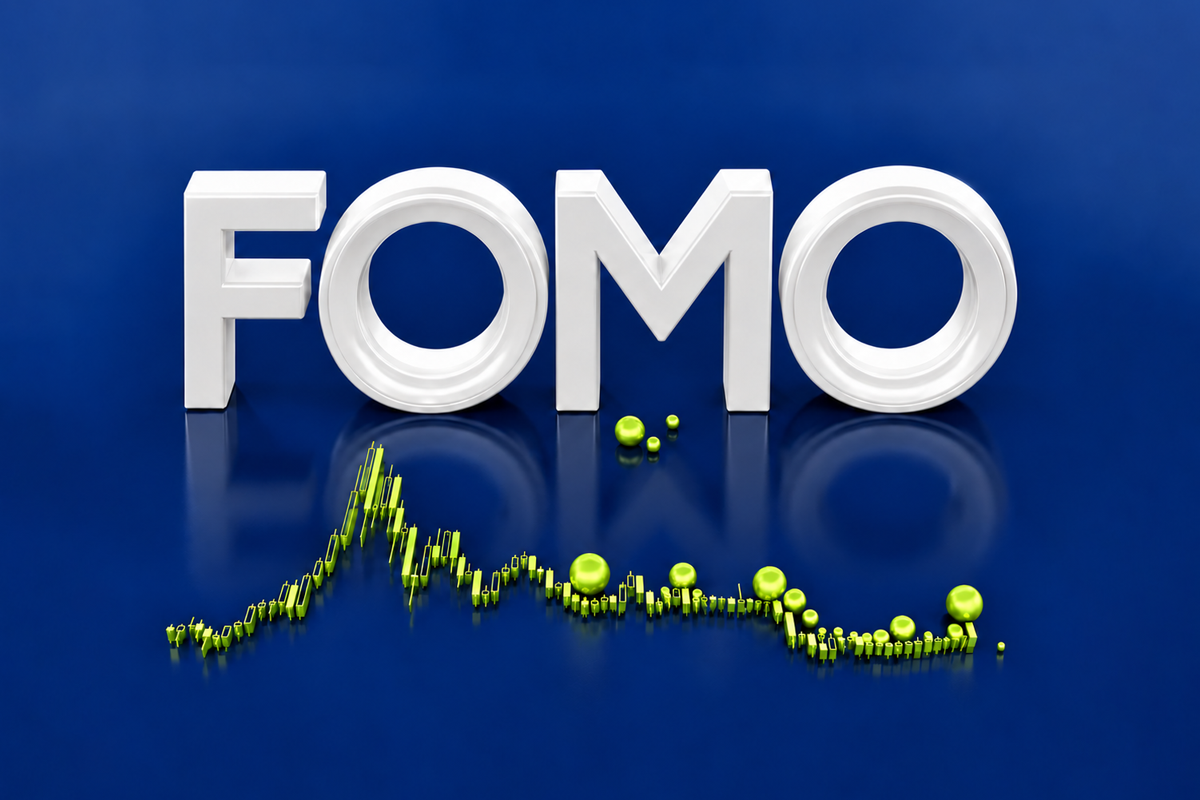
The fear of missing out drives faster, more emotional decisions. Used with intent, FOMO turns hesitation into action without resorting to pressure.

Scarcity is one of the oldest and most reliable principles in marketing psychology. When people sense that an offer is limited-in quantity, in time, or in access-their desire for it increases. It is not a trick. It is a reflection of how human beings assign value to things that might disappear.
At its core, scarcity signals value. If something is abundant and always available, there is no cost to waiting. If something is limited, waiting carries a risk-the risk of missing out entirely. That risk reframes a passive choice into an active one. The brain stops asking 'Do I want this?' and starts asking 'Will I still be able to get this if I wait?'
"People don't want things because they're good. They want things because they might not be able to have them."
Each form creates a different kind of pressure, but all three share the same mechanism: they introduce a cost to inaction. The moment inaction has a cost, hesitation turns into movement.
Scarcity only works when it is real. Fabricated limits-countdown timers that reset, stock counters that never reach zero, 'last chance' banners that appear every week-train audiences to ignore them. The first time a customer notices a fake limit, every future limit loses its power.
The brands that use scarcity well are the ones that use it honestly. A genuine limited run, a real deadline, a true capacity constraint. The pressure comes from the truth of the situation, not from a marketing tactic layered on top of it.
Scarcity turns 'maybe later' into 'now.' Used with integrity, it helps people make decisions they already wanted to make but were putting off. That is the real power of scarcity-not manipulation, but momentum.





The fear of missing out drives faster, more emotional decisions. Used with intent, FOMO turns hesitation into action without resorting to pressure.

Value isn't just what something costs-it's how it's framed. The context around a price shapes how desirable an offer feels before anyone compares numbers.

People rarely act on a first impression. Repetition builds recognition, trust, and recall-the foundations of a brand people choose when the moment comes.
Marketing ideas, trends, strategies, and insights worth knowing.