
October 5, 2026
Perceived Value: How Price Frames Shape Choice
Value isn't just what something costs-it's how it's framed. The context around a price shapes how desirable an offer feels before anyone compares numbers.

The Rule of 7 is one of the most enduring ideas in marketing: a person needs to encounter a message roughly seven times before they take action. The exact number is less important than the principle behind it-familiarity breeds trust, and trust drives decisions. A single impression is rarely enough to move someone from unaware to convinced.
Every time someone sees your brand, a small deposit is made in their memory. One impression is forgettable. Three is a pattern. Seven is recognition. By the time a person has seen your brand enough times to recognize it without effort, you have moved from a stranger to a familiar name-and familiarity is the foundation of trust.
"People don't choose the best option. They choose the option they remember when the moment comes."
Repeating the same message seven times in the same way is not repetition-it's noise. Effective repetition means showing up in different contexts, formats, and moments while keeping the core idea consistent. A social post, a search result, a video, a recommendation from a friend-each is a different touchpoint that reinforces the same recognition.
Brands that constantly change their message, their look, or their positioning reset the counter every time. Each reset sends recognition back to zero. The brands that win are not the ones with the most creative single campaign-they are the ones that show up consistently enough to become impossible to forget.
Repetition is the quiet engine of brand growth. It doesn't look exciting in a single campaign, but compounded over time it is the difference between a brand people recognize and a brand people walk past.





Value isn't just what something costs-it's how it's framed. The context around a price shapes how desirable an offer feels before anyone compares numbers.

When something becomes harder to get, people want it more. Scarcity turns ordinary offers into urgent decisions-and it's one of the most powerful forces behind conversions.
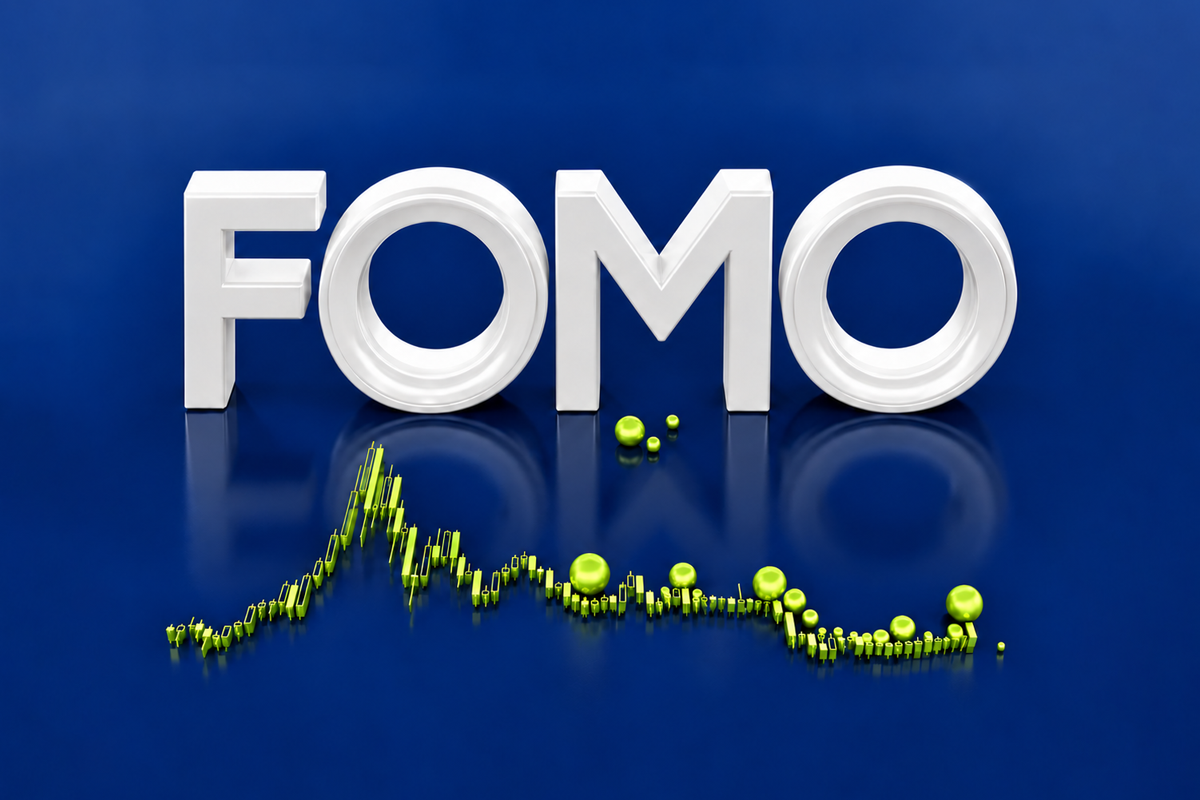
The fear of missing out drives faster, more emotional decisions. Used with intent, FOMO turns hesitation into action without resorting to pressure.
Marketing ideas, trends, strategies, and insights worth knowing.