
October 2, 2026
The Rule of 7: Why Brands Need Repetition to Be Remembered
People rarely act on a first impression. Repetition builds recognition, trust, and recall-the foundations of a brand people choose when the moment comes.

Price is never just a number. It is a signal. The same product at two different price points tells two completely different stories about quality, audience, and intent. Perceived value is the gap between what something costs and what people believe it is worth-and that gap is shaped almost entirely by context.
A AED 50 coffee served in a paper cup on a street corner feels like a rip-off. The same coffee served on a ceramic plate in a dimly lit café with soft music feels like a bargain. The product is identical. The frame is different. And the frame is what the customer actually pays for.
"People don't buy the product. They buy the story the price tells them about themselves."
Counterintuitively, raising a price can increase sales when the brand has built the right frame. A higher price signals confidence, exclusivity, and quality. It filters in the audience that values those signals and filters out the audience that only compares on cost. The frame does the selling-the price just confirms it.
Perceived value is engineered, not discovered. Every visual, word, and reference point around your price either raises or lowers what people believe it's worth. Design the frame, and the price takes care of itself.





People rarely act on a first impression. Repetition builds recognition, trust, and recall-the foundations of a brand people choose when the moment comes.

When something becomes harder to get, people want it more. Scarcity turns ordinary offers into urgent decisions-and it's one of the most powerful forces behind conversions.
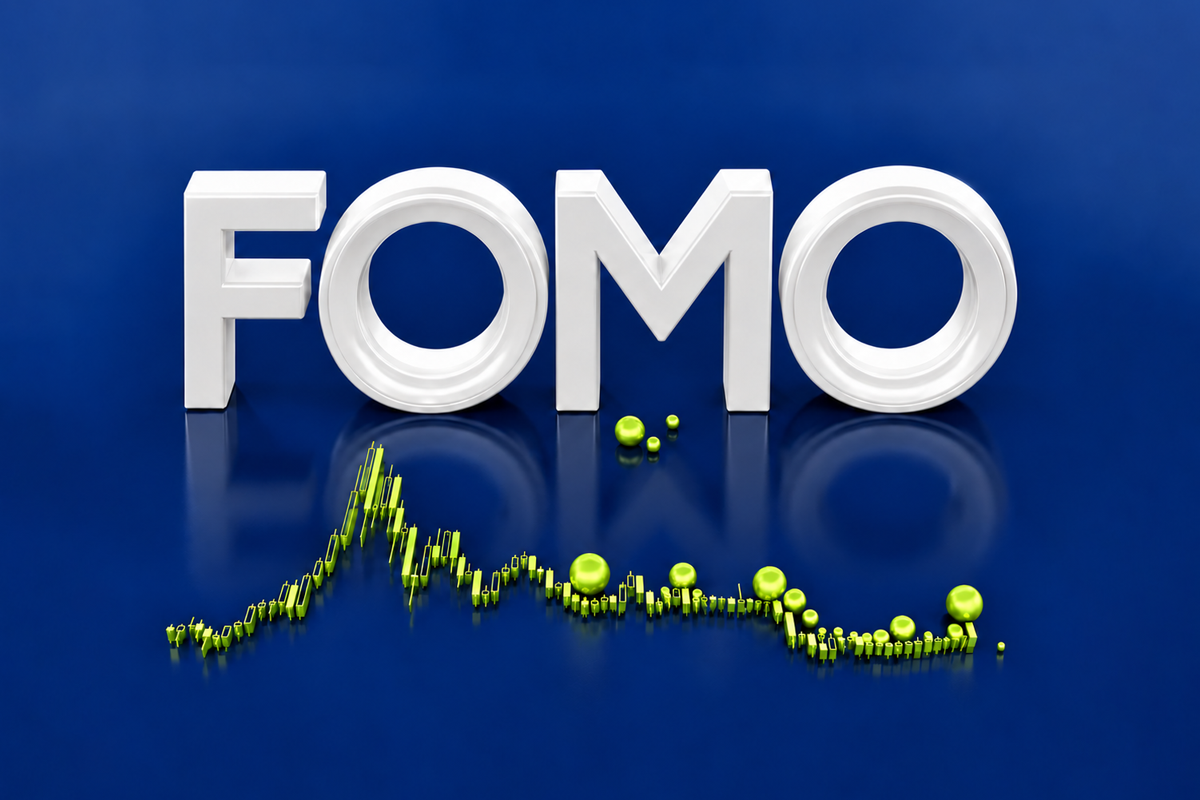
The fear of missing out drives faster, more emotional decisions. Used with intent, FOMO turns hesitation into action without resorting to pressure.
Marketing ideas, trends, strategies, and insights worth knowing.